Posted On Monday, April 20th, 2026
Back on the Pitch: Bryce Fischer’s Road Through Injury, Recovery, and Resilience in Germany



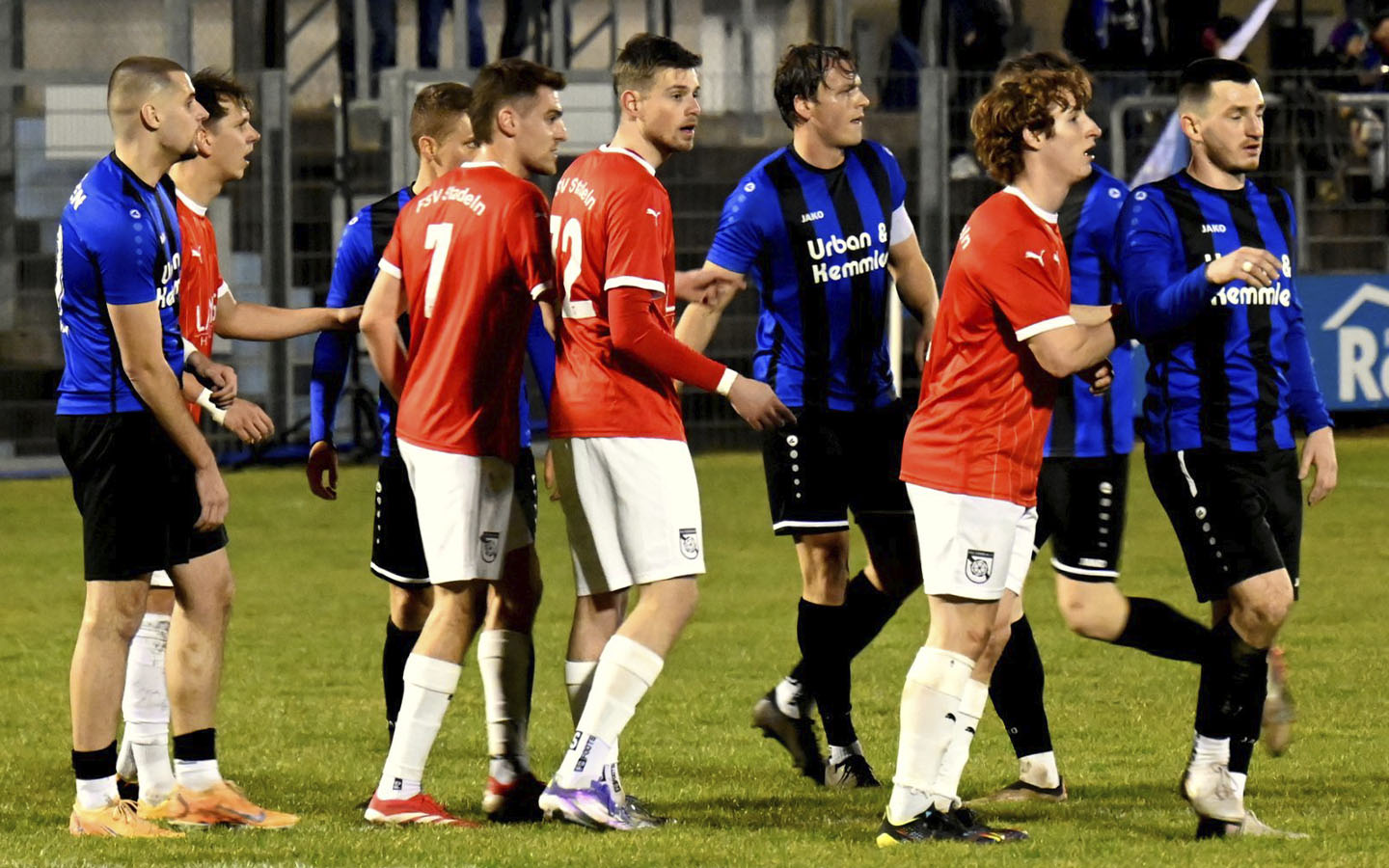
After months away from competition, Bryce Fischer has returned to the field with renewed perspective — navigating recovery, responsibility, and the realities of men’s football in a demanding Bavarian league.
A Difficult Start — and a Long Road Back
For Bryce Fischer, the opening months of the season were defined by uncertainty. Not because of form or opportunity, but because football itself had been taken out of his daily routine. “At the beginning of the season things were difficult both mentally and physically,” Bryce admits. “I’m now feeling very fortunate and grateful to be back on the pitch after such a long injury pause.”
The injury he faced — osteitis pubis, an inflammation of the pubic bone — is one that tests patience as much as pain tolerance. For a player accustomed to daily training and rhythm, the setback went far beyond match availability. “It took away from a lot of my daily habits such as training and overall fitness,” he says. “Of course it took a toll on my confidence as a footballer since I was away from the game for so long.”
Learning to Listen Again
The recovery process involved months of physiotherapy appointments, daily mobility work, and carefully managing training load — including learning when not to push. Alongside the club’s medical guidance, Bryce continued working consistently on the pitch through controlled sessions and individualized exercises coordinated with IFX Soccer, focusing on reintroducing movement patterns and building confidence step by step.
Rather than rushing his return, the emphasis was on maintaining routine, staying connected to the game, and progressing physically without risking setbacks — a balance that helped him feel involved even while sidelined from competition.
A Team Fighting to Belong
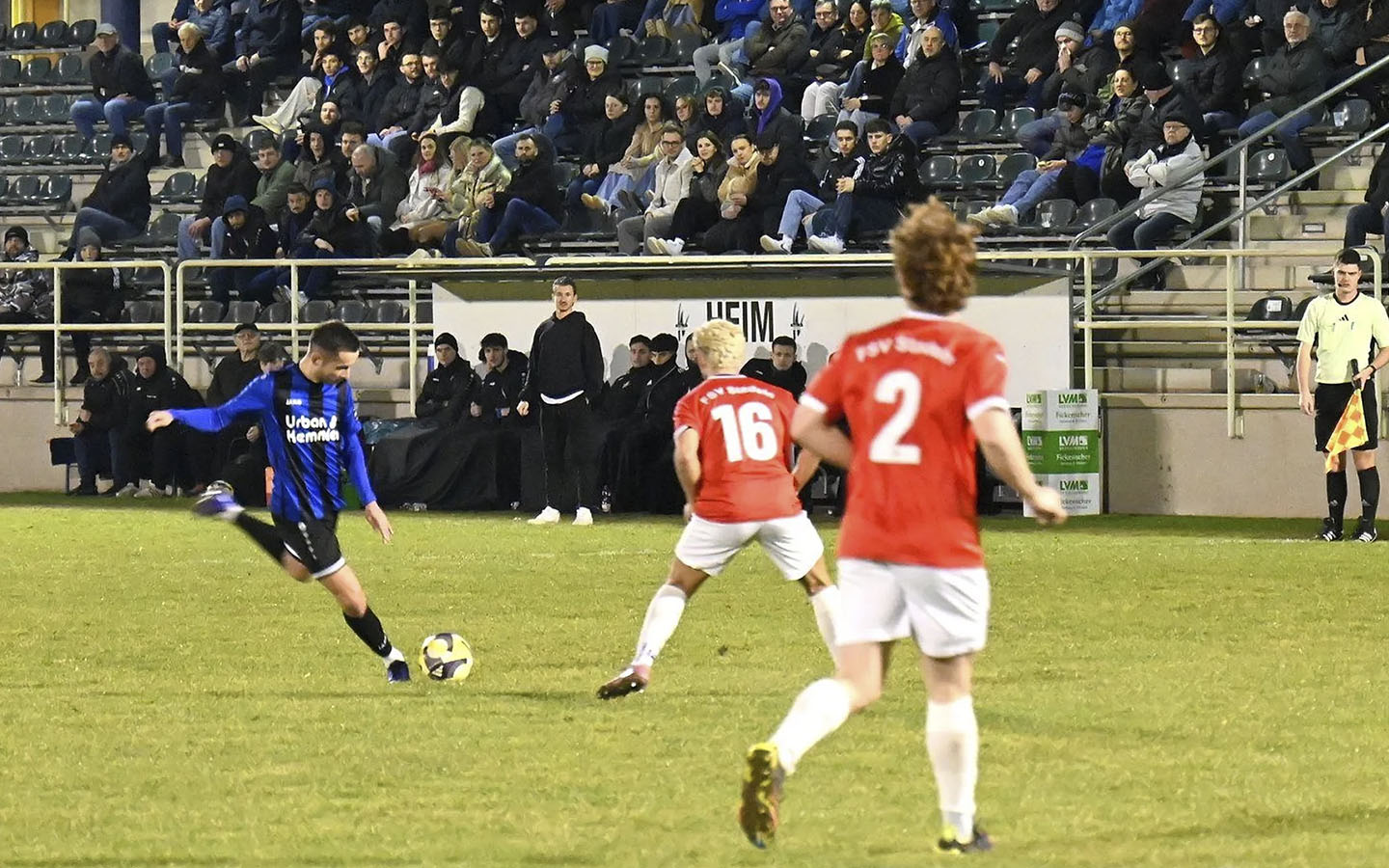
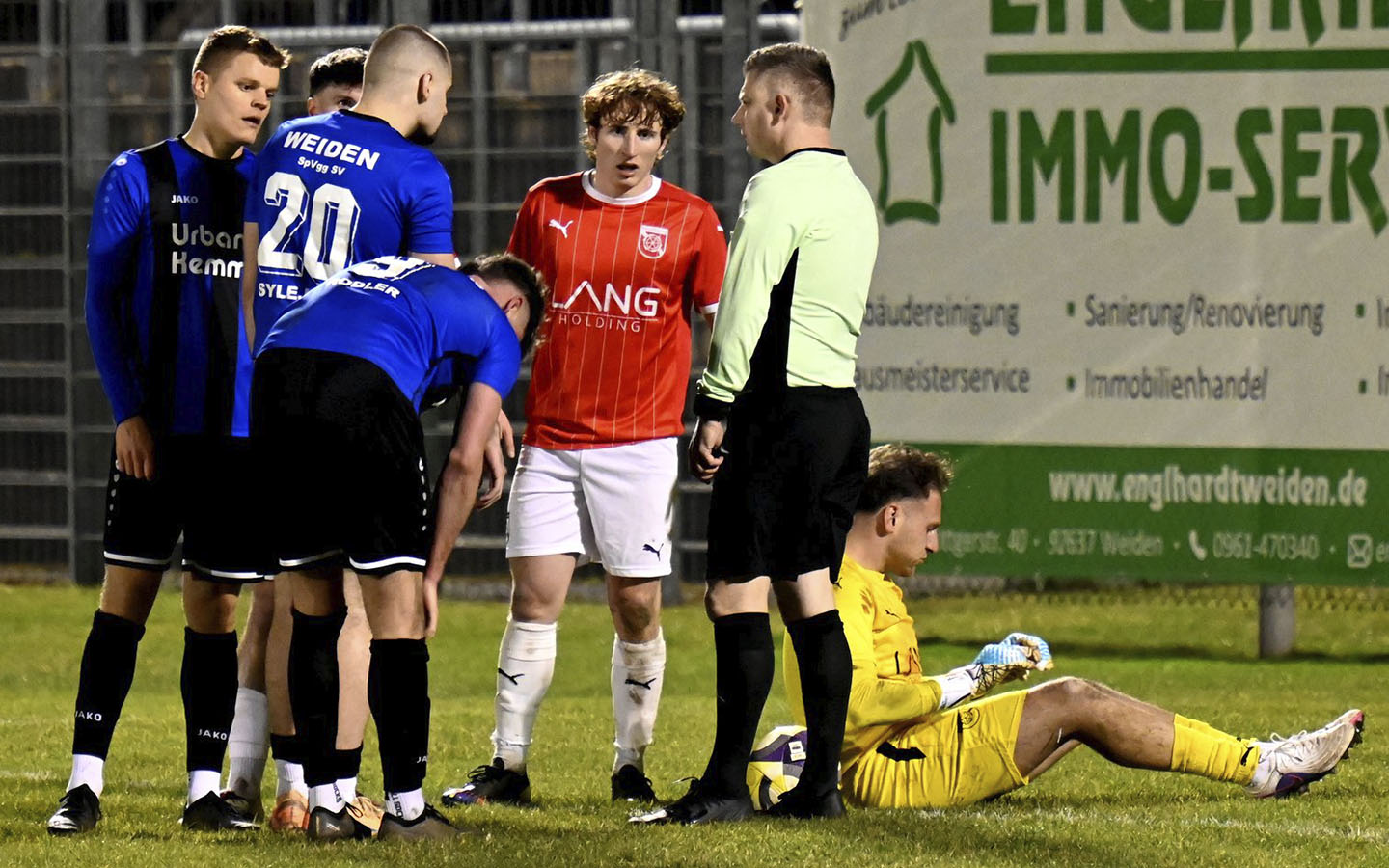
While Bryce worked through recovery, FSV Stadeln continued its first season after promotion into a highly competitive league. Even without consistent availability across the squad, Bryce saw something in the group that stood out. “Even when I wasn’t playing, it felt like we were playing with confidence and pride,” he says. “The players were fighting for one another and trying to prove that we belong in this league.”
The first half brought strong results, but — as Bryce notes — maintaining that standard is the true test. “The second half has been more difficult. The league requires consistency and discipline every single week,” he explains. “The margin between teams is very small.”
Now, the objective is clear: staying competitive, staying composed, and earning points week by week.
Returning Stronger — and More Complete
Since returning to full training and competition, Bryce has focused on expanding his influence on the field. “I’ve tried to get better on the offensive side of my game — getting more involved in the attack,” he says. At men’s level, that evolution matters. Bryce has experienced the jump firsthand. “Men’s football is much more physical. Players are stronger, more athletic, and more composed,” he explains. “With experience comes efficiency — players learn how to do more with less energy.”
For Bryce, this return isn’t about rushing minutes, but about proving reliability. “I try to prove myself every day in training. Working hard, showing my positive attributes, and giving my all,” he says. “Thankfully, I haven’t had many problems since coming back.”
The consistent workload — combining club sessions with additional on‑field and recovery-focused work — allowed Bryce to return without major complications, gradually rebuilding match sharpness and trust in his body.
Support Beyond the Pitch
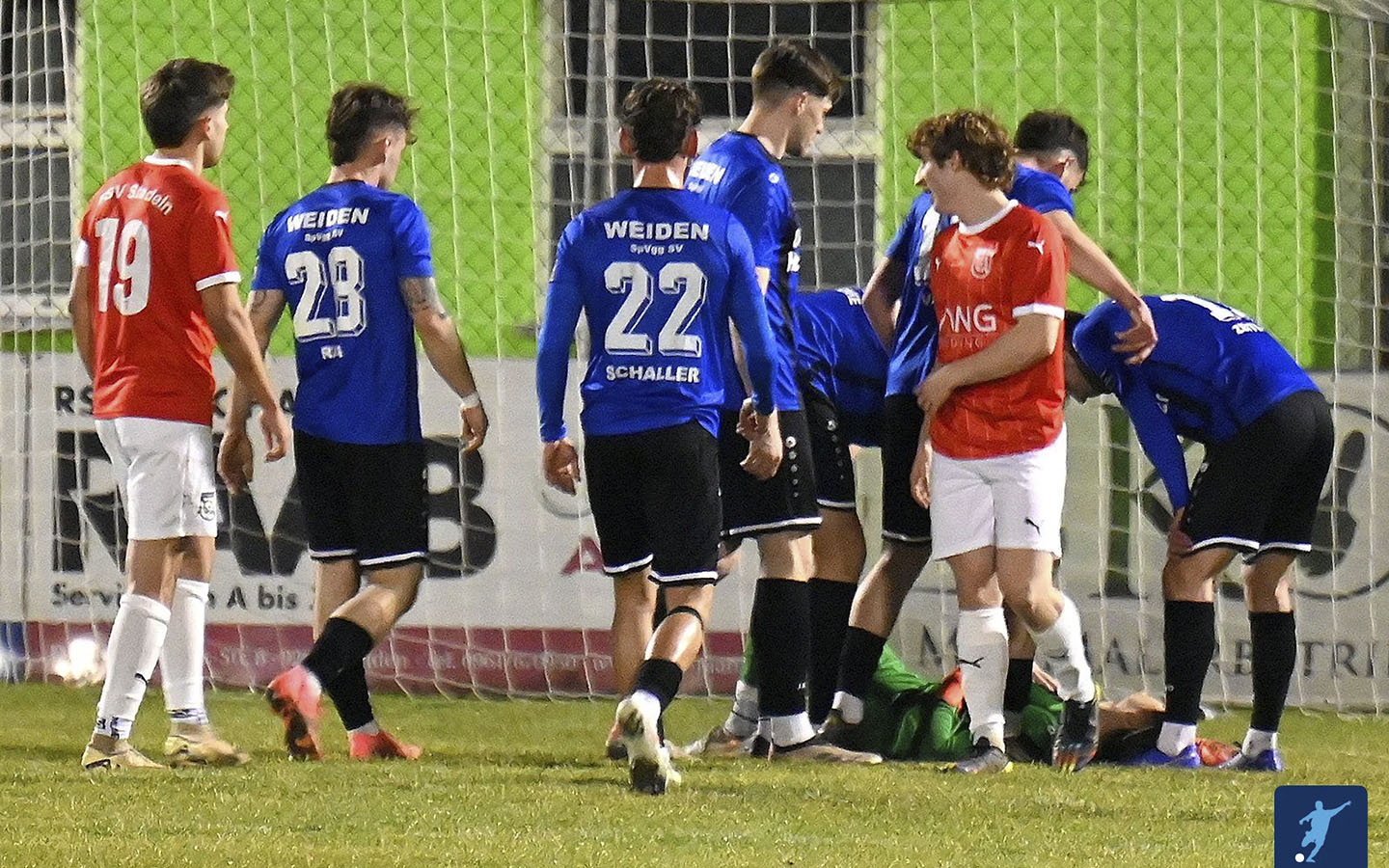
Recovery didn’t happen in isolation. Bryce credits his environment — teammates, coaching staff, and the people around his daily routine — for helping him navigate a difficult period. “I’m grateful to have people around me who I could relate to,” he says. “Other players, the staff — everyone made it easier to enjoy life beyond football while staying focused on recovery.”
Maintaining a regular training rhythm through IFX’s on‑field sessions also helped provide structure during weeks when match action wasn’t possible, allowing Bryce to stay engaged, accountable, and physically active while his body healed.
Academics, Language, and Long-Term Growth
Alongside football, Bryce has also had to manage other responsibilities. Academically, it hasn’t always been easy. “I struggled at times on the academic side,” he admits. “But over time, I became more focused and understood how important it is.”
Living in Germany for several years has also brought clear progress linguistically. “I’ve definitely improved my German to the point where I can communicate with everyone,” he says. “I don’t need everything translated anymore.”
That independence matters in football environments where communication is constant and direct. “It makes things easier — with teammates, coaches, staff. Integration is huge.”
Life in Germany Beyond Football
When he steps away from training, Bryce has found ways to genuinely enjoy everyday German life. “I like getting together with friends, walking around the city, and visiting markets,” he says. “Public transport makes it easy to travel, and there are always festivals and activities.” Those moments, he notes, helped make the harder periods more manageable.
Looking Ahead With Perspective
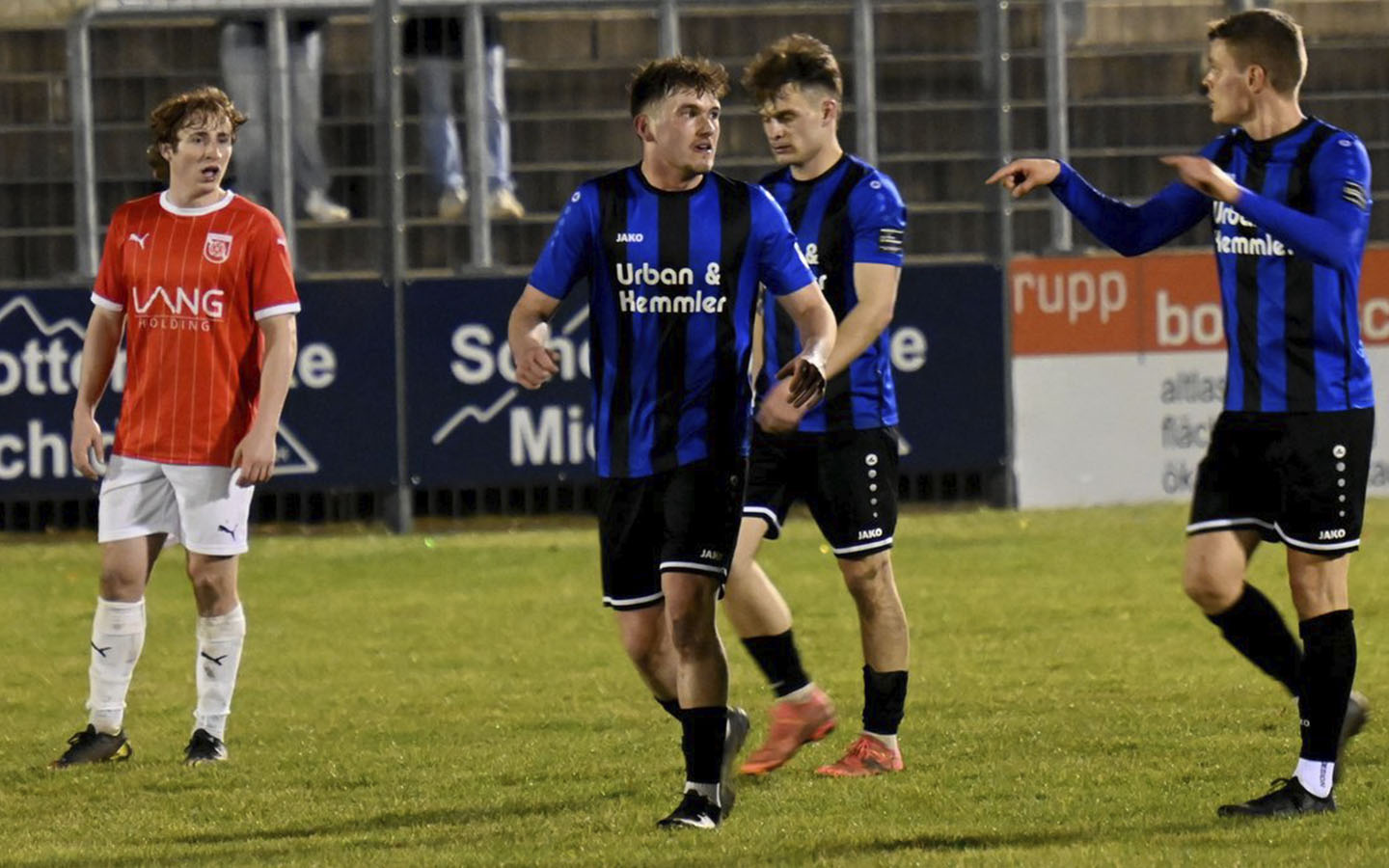
Individually, Bryce’s goal is simple but demanding: prove his value and help the team. “I want to contribute to the squad and help us stay in the league,” he says. “Every weekend is a fight.” Beyond results, he sees this period as transformative. “Dealing with injuries has made me more resilient — both on and off the pitch,” he reflects. “I’ve adapted to cultural differences in football and in life.”
Advice From Experience
For players facing injury setbacks of their own, Bryce keeps it grounded. “Keep a positive mindset and understand that it will get better,” he says. “Find balance. Enjoy things outside football — it helps the recovery feel quicker.”
Final Thoughts
Bryce Fischer’s story this season isn’t defined by goals or assists, but by something quieter — resilience. Learning when to wait, when to push, and how to return stronger than before. In Germany, football rarely slows down. But sometimes, progress means learning how to stop — and then start again. And Bryce is doing exactly that.
Choose the best international soccer immersion program combining international education and football!
You also might be interested in...
-
1. SC Göttingen 05 U17: From Survival Battle to Regionalliga…
The 1. SC Göttingen 05 U17… Read More
-
William Dooley’s First Season in Germany: Goals, Growth and Promotion
American defender William Dooley made an… Read More
-
Würzburger Kickers 2025/26: Form, Firepower and a Promotion Sealed at…
Würzburger Kickers 2025/26 season analysis: form,… Read More
-
Calvin Evoue Ehinack: A Challenging but Rewarding Football Journey in…
Calvin Ehinack shares his experience playing… Read More
-
Bayernliga Nord 2025/26: What the Table Really Means at Season’s…
Complete analysis of the Bayernliga Nord… Read More
-
Landesliga Nordost 2025/26: A Season Defined by Pressure, Not Distance
The Landesliga Nordost 2025/26 standings tell… Read More
-
A Year of Transition: Samuel Kimaro’s Development Path in German…
At 18, Samuel Kimaro is living… Read More
-
Building a College Path Abroad: How Pablo Basave Is Using…
How playing and studying in Germany… Read More
-
Back on the Pitch: Bryce Fischer’s Road Through Injury, Recovery,…
An early-season injury forced Bryce Fischer… Read More
-
A First Step Abroad: Jonathan Gebretsadik’s Introduction to German Football
From Colorado to Bavaria, Jonathan Gebretsadik… Read More
-
League Snapshot: Landesliga Nordost – Bayern
An updated League Snapshot of the… Read More
-
From Cameroon to Bavaria: Aberghanka Gaston’s U19 Journey Through German…
At just 18 years old, Gaston… Read More
-
Bayernliga Nord: Four Clubs, Four Campaigns, One Demanding League
The Bayernliga once again reinforces its… Read More
-
From ECNL to Europe: Tyson Hagaman’s Journey and the Role…
His journey from the ECNL to… Read More
-
Sargis Gasparyan: Developing as an International Midfielder through European Youth…
“Germany has one of the best… Read More
-
Hamzah Hamed’s Football Journey: From Egypt to Germany’s Competitive Youth…
“We played against a Bundesliga team,… Read More
-
Gianluca and Alberto Valle: Youth Talent Development Through a Soccer…
Brothers Gianluca and Alberto Valle share… Read More
-
Karl Holle’s German Football Journey: A U.S. Player’s Path to…
For Karl Holle, his German football… Read More
-
Giuliano Zannone: A Gap Year in Germany to Accelerate Soccer…
“The playing style is very different… Read More
-
Curtis Biedermann’s Soccer Year in Germany: Growth, Grit, and Goals
Biedermann shares his Soccer Year in… Read More
-
Jaxon Sellar’s Journey to Build Up a Soccer Career in…
Jaxon joined the Soccer City Boarding… Read More
-
Bayern Hof: Fighting for the Top in the Bayernliga Nord
After 10 matchdays, SpVgg Bayern Hof… Read More
-
SVG Steinachgrund: Ups and Downs, but Signs of a Comeback
SV Gutenstetten-Steinachgrund has had a rollercoaster… Read More
-
SG Quelle Fürth: Unbeaten and Hungry for More in the…
With 4 wins, 5 draws, and no… Read More
-
ATSV Erlangen Advances in Bavarian Cup with Convincing Win Over…
ATSV Erlangen moves closer to the… Read More
-
Bayern Hof Delivers at Home and Secures Bayernliga Nord Survival
SpVgg Bayern Hof closed out the… Read More
-
SG Quelle Fürth Secures Landesliga Nordost Spot with Convincing Victory
In a decisive final match of… Read More
-
A Dream Come True: FSV Stadeln to Compete in the…
The 2024/25 season will go down… Read More
-
TSV Weißenburg Falls in Season Finale but Secures Landesliga Nordost…
TSV Weißenburg wrapped up the 2024/25… Read More
-
Canadian Teen Striker Christian Lamb signs for 2. Bundesliga SpVgg…
During the Youth Summer IFX Germany… Read More
-
Bryce Fischer: Embracing Bavarian Culture through Soccer
Bryce Fischer (21), originally from Ottawa,… Read More
-
Eli Portnoy: A Path of Growth in German Soccer
In his second season with IFX… Read More
-
New Additions at SVG Steinachgrund: Matthew Njome and Giancarlo Ramirez…
SVG Steinachgrund continues to build its… Read More
-
From 7th German Division to the MLS
Julian Gressel, a midfielder from Middle… Read More
-
Youth Summer IFX Player Nicholas LaMadrid commits to Illinois College
“During my time with IFX, I… Read More
-
Bezirksliga Club SpVgg Hüttenbach-Simmelsdorf Adds Two New IFX Pro Year…
Clagemi Saenz and Daniel Vanni join… Read More
-
AD Alcorcón and IFX Soccer Strengthen Cooperation
The Madrid-based professional football club, through… Read More
-
Interview with Christian Lamb on SpVgg Greuther Fürth U17
“As I started scoring goals, there… Read More
-
From Berkeley to Bavaria: Lucas Dos Santos’ Journey to Weißenburg…
Lucas’s soccer journey took a significant… Read More
-
IFX Nürnberg striker Max Decesare transfers in winter to SV…
The New York number 9’s journey… Read More
-
Californian striker Cacanja Lawrence signs for SVG Steinachgrund in the…
CJ earned the chance to prove… Read More
-
Strategic Move: Kevin Ituarte Makes His Summer Transfer to TSV…
This move comes after a successful… Read More
-
Mikey Aceves hits the list of California youth soccer players…
“IFX arranged for me to be… Read More
-
Slovakian Defender Martin Šarišský signs for AD Alcorcón after outstanding…
The 20-year-old former international with Slovakia… Read More
-
Mexican Striker Seals Move to TSV Rosstal
Özcan Gündogan’s team will have Mexican… Read More
-
FSV Erlangen-Bruck U19s sign Colorado high school grad Cory Thomsen
“I made the decision to come… Read More
-
Kyle Devost moves up to Bayernliga Nord to play for…
This will be the second year… Read More
-
German Soccer Club SV Buckenhofen Strengthens Defense with New Signing…
“My experiences in Germany have been… Read More
-
Gonzalo López keeps climbing the ladder to play professional soccer…
Now at TSV Rain am Lech,… Read More
-
From IFX Residential German Football Academy to Youth Bundesliga |…
Jeremiah benefited from the massive opportunity… Read More
-
American left winger Matthew Timmerman moves to ASV 1860 Neumarkt
ASV 1860 Neumarkt enhances its lineup… Read More
-
Climbing the German Soccer Ladder into Bayernliga – Eric Johnson
This is the second season of… Read More
-
Max Turville trials at 2. Bundesliga club Würzburger Kickers
A few weeks ago, IFX President… Read More
-
FC Ottensoos Strengthens Midfield with New Addition Nickolas Bhan
“The club is fantastic. The facility… Read More
-
German newspapers highlight work of IFX as soccer Agent in…
IFX may seem a little cryptic… Read More
-
IFX Nürnberg Midfielder Kevin Ituarte makes his winter transfer to…
The transfer marks a pivotal moment… Read More
-
South African Midfielder Jaymen Mangena Joins 1.SC Feucht for the…
“The club has a good atmosphere… Read More
-
Daniel Vanni: The Young Colombian Footballer Joining Baiersdorfer SV
“I think it’s a great opportunity… Read More
-
Californian teen Colin Davis transfers to German Regionalliga club Würzburger…
Native California Bay Area standout striker,… Read More
-
Stuart Roosa: Remarkable Performance by American Goalkeeper in the German…
Roosa had multiple important saves, won… Read More
-
SGV Nürnberg sign Pro IFX University program player Nathan Rasquinha
Heading into his 3rd year attending… Read More
-
German club SK Lauf signs Pro Year IFX Goalkeeper Stuart…
“I decided to come to Germany… Read More
-
Kyle Devost: A former Premier League Academy player for SG…
“Signing with Quelle has been a… Read More
-
New England FC player Toby Prabhu transfers to JFG Wendelstein
FG Wendelstein U19 play in the… Read More
-
Americans Soccer Transfer news: Tyriq Umrani to SV Seligenporten
Tyriq’s success in Gutenstetten, becoming an… Read More
-
IFX German Academy player Gilberto Mont signs for Germany’s FC…
American Midfielder Mont signs for traditional… Read More
-
TSV Sack sign Indian soccer player Nathan Rasquinha
Nathan Rasquinha (20) a native of… Read More
-
Daniel Garcia | Overseas Soccer with TSV Burgfarrnbach
After a couple of weeks of… Read More
-
German soccer team SK Lauf new home for Brendan Clanfield…
SK Lauf representatives decided to sign… Read More
-
Max Ritter new addition of Baiersdorfer SV’s U19s
We are pleased to announce that… Read More
-
SVG Steinachgrund sign IFX Pro Year Germany player Riley Keating
“SVG Steinachgrund have a very competitive… Read More
-
Why spend this Summer in German Soccer Camps?
In summary, proven efficacy based in… Read More
-
Matthew Hoppe | Who is the new hero-boy of FC…
Matthew Hoppe joined Schalke U19s in… Read More
-
How to create an effective soccer player CV
Present an updated soccer CV is… Read More
-
IFX Nürnberg successfully completes transfer of Kamron Crow to TSV…
Kamron as well as Stanislaus Herzel… Read More
-
Tyriq Umrani & Logan Stanley hit the list of IFX…
It is official! representatives of SVG… Read More
-
Rangers Football Club – The Coaching Manual
The Rangers Online Academy throughout the… Read More
-
9 Things International Students need to know before moving to…
According to official international enrollment statistics,… Read More
-
Allentown United FC player Francis Barilo signed by FC Ottensoos…
The native of Delaware recently signed… Read More
-
SVG Steinachgrund signed Lukas Huntington to reinforce the mid-field
SVG Steinachgrund is definitely one of… Read More
-
Why learn German Language?
It is estimated that approximately 90–95… Read More
-
Oberlin men’s soccer player Nicolas Jandeleit signed by Bavarian team
Nic and his new team have… Read More
-
Learn Spanish in Spain – Consider Valencia!
If you come to Spain to… Read More
-
ASV Veitsbronn signs former Californian Mustang FC captain Theodore Schulte
ASV Veitsbronn-Siegelsdorf sat mid-table in the… Read More
-
Covid-19 and entry restrictions: Who can travel to Germany now?
From 2 July 2020, unrestricted travel to… Read More
-
For soccer players, taking a gap year might be the…
Maybe many of us have had… Read More
-
The 7 Advantages of Being on a Soccer Team
It can sometimes seem like there… Read More
-
Guide: How to Choose the Perfect Soccer Cleats for You
There are different types of soccer… Read More
-
What are High Performance Soccer Academies?
High Performance Football or Soccer academies… Read More
-
How to Get Better at Soccer by Yourself?
We wanted to contribute with our… Read More
-
Pro Goalkeeper Jon Faerber: “My time in Germany was absolutely…
Jonathan Mark Faerber (32), is a… Read More
-
Coronavirus vs Soccer: The show must go on!
Coronavirus is impacting soccer all over… Read More
-
Jordan Ferrell: “Playing soccer in Germany was a really eye…
Exactly 10 years ago, a talented… Read More
-
10 Soccer Tryouts Tips to remember in your next Football…
Most of us have had ties… Read More
-
How Soccer changed my life | Joseph Thumbi Wangige
“This is how I went from… Read More
-
From IFX German Football Academy to play for 3. Bundesliga…
Gonzalo López has recently been transferred… Read More
-
Kayden Jetha hits the list of Canadian soccer players abroad
Newcomer Kayden Jetha (16) a native… Read More
-
Jamen Zander: “This country is very passionate about fútbol”
“I know that this country is… Read More
-
Good start for Caribbean striker Geovannie Lake playing for DJK…
Fans of Bayernliga DJK Don Bosco… Read More
-
Striker Antonio Schoenegger transferred to FC Stein in Germany
After one season playing soccer in… Read More
-
German Soccer team SK LAUF signs ex Atlantic FC Joseph…
The native from Mays Landing, New… Read More
-
How is a Training Day for a Pro Soccer Player?
We have always listened to the… Read More
-
IFX Goalkeeper Nathaniel Drew signs with SV Gutenstetten in Germany
“The process for me to find… Read More
-
COLOMBIAN GOALKEEPER SAMUEL ALZATE TRANSFERED TO ERLANGEN
As part of the summer transfer… Read More
-
Pro IFX player Rodrigo Lloveras selected for the U23 Puerto…
Puerto Rican Defender right-back, Rodrigo Lloveras… Read More
-
Pro IFX player Adam Lee new signee at Soccer Team…
Adam is not unfamiliar with IFX,… Read More
-
FC Dallas claimed the former IFX player Sam Ebstein in…
We keep on receiving pleasant news… Read More
-
“IFX Valencia Youth Soccer Academy surpassed all my expectations” |…
With the aim of improving his… Read More
-
Kenan Berenson in IFX Residential International Soccer Academy in Spain
Looking to prolong his development abroad… Read More
-
Youth IFX player Eugene Heger voted as a Top Eleven…
After only 3 matches, the young… Read More
-
Club Esportiu Júpiter in Barcelona signs IFX player Sydney Kay…
Since her arrival to Spain to… Read More
-
IFX Valencia International Soccer Academy | Interview with Max Dennis
After two and a half months… Read More
-
Pro IFX Player Kevin Perez signed by SC 04 Schwabach…
As part of the Pro IFX… Read More
-
40 facts that may surprise you about Italian Culture!
The Italian Republic is a nation… Read More
-
English Premier League (EPL) Soccer Season in Review 2013
English Premier League (EPL) Soccer Season… Read More
-
BAVARIAN GIANTS FC BAYERN SET TO FACE MLS ALL-STARS
Guten Tag! Major League Soccer commissioner… Read More
-
Holzwickeder S.C. New Home for IFX Young Talent Ben Avidar…
With the aim of playing first… Read More
-
Strein plays for BSV Menden as part of his Youth…
Looking for the high level soccer… Read More
-
Enjoy while you learn Spanish language
To learn a new language is… Read More
-
Full-time Educational Programs in UK | Write your own future…
High school in many ways can… Read More
-
Anja Burkman Flaig interviewed about playing for Pro German Club
Now half way through the season,… Read More
-
Former IFX Player Brendan McDonough selected 35th Overall in MLS…
With Major League Soccer (MLS) clubs… Read More
-
IFX partner club SV Seligenporten hosts Bundesliga club 1.FC Nürnberg
As part of the 2018-19 preseason… Read More
-
Host Family in Europe: Making a home away from home
Every town in Europe is packed… Read More
-
IFX Spain Player Eli Goldman joins list of debut scorers…
Barcelona, Spain. The talented IFX player… Read More
-
Pro IFX Spain player Jenna Faith Li plays for Levante…
As part of Pro IFX Year… Read More
-
Pro IFX Spain participant Eli Goldman joins Penya Anguera in…
Autumn is here and, with it,… Read More
-
Cold Drop 1 : 1 Valencia | Valencia tied the game
Last week, Spain and even more… Read More
-
Interview with new signing of Levante Las Planas, Jackson West…
IFX Fall exchange program participants in… Read More
-
SV Memmelsdorf signs Pro IFX Player Rodrigo Lloveras from SG…
It´s official! after two weeks of… Read More
-
10 things you probably did not know about Spanish culture
Paella, Flamenco music and dance, bullfights,… Read More
-
IFX University Program participant Antonio Schoenegger to ASV VACH II
As reported on our social media… Read More
-
9 things you will face in your next Year-long Program…
In previous blogs we already dealt… Read More
-
IFX Student Nick Rumisek joins top U19 club Baiersdorf SV
With the summer transfer window coming… Read More
-
Ashaan Rajgarhia transferred from SG Quelle to FSV Erlangen-Bruck
It is Official! IFX has successfully… Read More
-
Seligenporten signs Californian soccer player Andreas Bauer for 2018-19
IFX Representatives in Germany and managers… Read More
-
Kamron Crow signs with top Bayernliga club SV Seligenporten
IFX Soccer is delighted to announce… Read More
-
Pro IFX Germany player Kevin Perez signs for ASV Vach…
We are pleased to announce that… Read More
-
IFX Valencia International Soccer Academy – Spain
Over the years IFX Soccer has… Read More
-
Why Nuremberg is a must-see destination?
No matter if you are a… Read More
-
Interview with youth soccer player Haley Fiske
After one year playing for SG… Read More
-
Kenny Andrianarison plays for soccer German club VFB Linz
We are pleased to announce a… Read More
-
IFX Soccer Academy and trials in Germany partnered with SpVgg…
If there is one thing that… Read More
-
SC 04 Schwabach e.V. new home for talented Simone Filippone
The talented Canadian footballer Simone Filippone… Read More
-
IFX 30 day soccer trials in Germany partnered with FSV…
IFX soccer programs has been operating… Read More
-
From Madagascar to Germany. Youth IFX player signed by SG…
With the aim of pursuing his… Read More
-
Regionalliga SV Seligenporten signs IFX Goalkeeper Chris Kallenbach
As part of Winter transfer market… Read More
-
Youth Soccer program in Borussia Lindenthal-Hohenlind | Henry Volkmann
Köln, Germany. Looking for the high… Read More
-
IFX Soccer Academy trial partnered with SC Eltersdorf in Germany
Even though International Fútbol X-Change offers… Read More
-
University of Colorado highlights the role of IFX President Michael…
Boulder, Colorado. IFX President Michael Carlson… Read More
-
Indian football player Abhiram Akundi in Youth IFX Program Spain
From IFX Soccer we are pleased… Read More
-
IFX Soccer Program Germany partnered with 1860 Neumarkt e.V.
Neumarkt in der Oberpfalz is the… Read More
-
Interview with Pro IFX Spain player Nick Bonneau in Barcelona
Barcelona, the cosmopolitan capital of Spain’s… Read More
-
IFX Soccer Academy Programs in Germany partnered with 1. SC…
Since its foundation in 2003, International… Read More
-
Youth IFX Year Spain player Jacob Richard signs for C.D.…
We are excited to announce that… Read More
-
Gonzalo Lopez to play for SV Eintracht Hohkeppel | Soccer…
We are pleased to announce another… Read More
-
Pro IFX Year Germany football program 2018-19 application period is…
As the reigning and defending football… Read More
-
Aurele Beya joins list of debut scorers in Newport FC…
IFX England player Aurele Beya (21)… Read More
-
5 Benefits of Youth Soccer
Sports and activities have a wide… Read More
-
Professional soccer Camps & European Football Clubs tryouts
IFX soccer scouts around the world… Read More
-
Should I join an international soccer – football Academy?
Is it really necessary to join… Read More
-
Elliott Swigert signs with Pro Club FSV Zwickau
IFX Youth Year program in Germany… Read More
-
IFX Youth Year player Ethan Riddell signed by CFA Espluguenc…
Pro IFX Year Spain player Ethan… Read More
-
Pro IFX player Asanti Herring compete for FC Stein 1909…
We are pleased to announce another… Read More
-
World Cup 2018 qualification going gets tough in South American
Only two more match-days left in… Read More
-
Daniel Vilardi invited to trial with Pro Italian club Carpi…
We are happy to announce that… Read More
-
American Youth U19 Soccer player Cameron Dwight signed by Club…
Nuremberg, Germany. We are pleased to… Read More
-
Road to Kyiv. UEFA Champion´s League 2017-18 edition
One of the most awaited football… Read More
-
North American youth soccer player Rajgarhia signs with SG Quelle…
Fürth, Germany. Ashaan “Ash” Rajgarhia (18),… Read More
-
University Football Program | SV Seligenporten signs Shehab El Refai
Pyrbaum, Bavaria. After an outstanding season… Read More
-
IFX players training & compete with SG Quelle Fürth U19…
Fürth, Germany. Pro IFX player Haley… Read More
-
Rogelio Cañez soccer tryouts and signs with semipro club FSV…
Erlangen, Bavaria. The former Pima College´s… Read More
-
Bayern Munich charity match against FSV Erlangen-Bruck
Herzogenaurach, Germany. This past 9th July… Read More
-
Playing “Fussball” in Germany with IFX Soccer
Soccer (or football, as most every… Read More
-
Pro Soccer Trials Germany | Anja Burkman got signed by…
Nürnberg, Germany. The pro-German club 1.FC… Read More
-
IFX Soccer Trials continue in 1. SC Feucht e.V. (Watch…
Feucht, Bavaria. As important as the… Read More
-
Adrián Rodríguez signs with ASV Vach
Nuremberg, Germany. As part of IFX… Read More
-
Pro Year Soccer player Saif Greco lands spot in SV…
Nürnberg, Germany. For the second consecutive… Read More
-
DJK Don Bosco Bamberg (Complete Photo Gallery) IFX Soccer Trials
Bamberg, Germany. As Part of IFX… Read More
-
IFX Pro Year Germany player Rodrigo Lloveras signs with SG…
Nürnberg, Germany. It is official! 19… Read More
-
IFX Soccer Trials continue in SG Quelle Fürth Photo Gallery
Fürth, Germany. IFX Pro Year Germany… Read More
-
ASV Veitsbronn Siegelsdorf signs IFX Germany player Harrison Lee
Nürnberg, Germany. 19 year old Harrison… Read More
-
Kicks off another season Year Germany Academy & 30 Day…
IFX kicks off another season with… Read More
-
IFX Soccer Mexico Scouting Camp 2017 has been a big…
It is the first time that… Read More
-
IFX Pro Year Germany Scholarship Mexico Scouting Camp
As part of IFX´s efforts to… Read More
-
The Top Soccer Cultures
Soccer is undoubtedly the most popular… Read More
-
Goalkeeper Camp in Germany
IFX offers a unique training and… Read More
-
PUEBLA, MEXICO TEEN LANDS SPOT WITH SV REISLINGEN
[cs_element_section _id="1" ][cs_element_row _id="2" ][cs_element_column _id="3"… Read More
-
Talented Elliott Swigert and 1. FC Frankfurt Moving up in…
The U17 1. FC Frankfurt squad… Read More
-
ProIFX Year Germany – Nabeel Qawasmi signs with SV Memmelsdorf
New arrival Nabeel Qawasmi (20) from… Read More
-
Youth Soccer Year in Zaragoza, Spain | Christian Schaffner
IFX presents Christian Schaffner, an American… Read More
-
Youth Year IFX Germany Academy introduces Bruno Aparicio
This week we from IFX would… Read More
-
IFX Pro Year – IFX Youth Soccer Year in England
England as the motherland of soccer… Read More
-
ZACK SHIPOSH at Braunschweig in Germany
[cs_element_section _id="1" ][cs_element_row _id="2" ][cs_element_column _id="3"… Read More
-
Soccer Goalkeeper Camps in Germany
Liverpool, Paris, Barcelona, Munich – Germany… Read More
-
Pro IFX Year Spain: Female Soccer Player Juliana Ratton (20)
Another Pro IFX Year player is… Read More
-
Youth Year IFX Spain – Gerson Reyes signs with CD…
This summer another great youth player… Read More
-
Youth Summer IFX Germany 2016
This summer IFX held his annual… Read More
-
IFX Ballistic Striker Ahmed Zaky set for San Francisco Deltas…
After some really strong showings during… Read More
-
Colombian Youth player Federico Lenis signs with SG Quelle Fürth…
Federico Lenis, one of our Pro… Read More
-
Pro IFX 30 Day player highlight – Raul Rodriguez
With the American-Mexican soccer player Raul… Read More
-
IFX Youth Year Spain’s Nathaniel Becker | Spain Soccer School
American Nathaniel Becker competed with one… Read More
-
IFX Team Tour Germany – GPS North Shore
This Summer IFX hosted the American… Read More
-
University of Colorado Alumni Riley Sinn signs with FC Stein…
Pro IFX Year participant Robert ‘Riley’… Read More
-
American Soccer Player Aron Rudich Signs with Germany’s SG Quelle…
A great success story is the… Read More
-
Australian Robert Petkov and Veitsbronn take it to Quelle
IFX Pro Year participant Robert Petkov… Read More
-
CALIFORNIAN PLAYER TJ HOGAN BEGINS SEASON WITH TOP GERMAN CLUB…
California native TJ Hogan begins season… Read More
-
Indian Footballer Dron Bhardwaj signs in Germany
Indian native soccer player Dron Bhardwaj… Read More
-
Americans playing soccer in Zaragoza, Spain | Update
Youth Year IFX Spain players hitting… Read More
-
IFX Alumni Dany Djoufack Signs Professional 1st Division contract
One of last season’s players in… Read More
-
Featuring Pro IFX 30 Day players Noah Yang, Elson Pllumbi…
Adding to some recent success stories… Read More
-
Louka Andreasen offered contract from 2.Bundesliga club SpVgg Greuther Fürth
19 year old Danish striker Louka… Read More
-
IFX Pro Year – Padilla and ASV Neumarkt Champions
Neumarkt- IFX’s Gabriel Padilla has enjoyed… Read More
-
IFX Soccer footballer Joseph Thumbi featured on Kenyan TV Station
After returning to his native Nyeri,… Read More
-
Pro IFX Spain Goalkeeper Monguillon proves a steady hand with…
French Goalkeeper and Youth Year IFX… Read More
-
SQ Quelle hosts Greuther Fürth | IFX Alumnus Kane in…
IFX defender from Cameroon, Dany Djoufack… Read More
-
Kenyan Footballer Joseph Thumbi Wangige – From the streets of…
Since founding IFX in 2003, we… Read More
-
American Felipe Giesen transfers to top Zaragozian club C.D. Oliver
16 year old Dutch American Felipe… Read More
-
Pushkar Banger joins Bayernliga club SV Memmelsdorf
Pushkar Banger, a native of Haryana,… Read More
-
Brendon Ruiz transfers to Don Bosco Bamberg
Ruiz, who has had previous experience… Read More
-
Padilla transfers to local rival ASV Neumarkt!
IFX newcomer Gabriel Padilla transfers to… Read More
-
Soccer Notes from January & the close of the winter…
The Copa America Centenario, hosted in… Read More
-
Club Spotlight-1.Fußballclub Magdeburg
FC Magdeburg is based out of… Read More
-
Newsworthy Football Headlines December 2015
Pep Guardiola set to leave FC… Read More
-
Pro IFX Spain player, Marco Villar, winding down Fall season…
Barcelona, Spain – Since September, American… Read More
-
Football Stadium Spotlight- Allianz Arena (München, Deutschland)
Ground officially broke on the €340… Read More
-
Regionalliga Bayern | Match Review
SSV Jahn Regensburg played host to… Read More
-
FC Würzburg Kickers | The rise into German Professional Football
FC Würzburg Kickers is a German… Read More
-
Club Spotlight | Liverpool Football Club
Established in 1892, Liverpool FC enjoys… Read More
-
DFB-Pokal 2nd Round Recap (Bavarian Club Update)
It was a pleasant outing for… Read More
-
Youth Year IFX Spain Players in Zaragoza sign with C.F.…
In early September, IFX Spain players… Read More
-
IFX Player Bio Seth Barrett of SQ Quelle Fürth
Nürnberg – Today we introduce Seth… Read More
-
USA : Mexico | CONCACAF CUP Recap
The rivalry continues. Mexico edges US… Read More
-
Jose Zamora on trial with San Fernando of Spanish Tercera…
Cádiz, Spain – Since early September,… Read More
-
Book Review | Money and Soccer by Szymanski
Money and Soccer- A Soccernomics Guide (Szymanski)
Read More -
IFX Ballistic | Amateur Soccer in North America
Amateur Soccer in North America. NORCAL… Read More
-
Cameroonian U23 National Team Prospect Dany Djoufack Transfers to Germany’s…
Nürnberg – 20 year old Dany… Read More
-
City of Bamberg Spotlight: Culture and Fussball
Bavarian City Spotlight: Bamberg FC Eintracht… Read More
-
Emre Can called into full German National Team!
Emre Can, the versatile Liverpool defender/midfielder,… Read More
-
IFX Player Spotlight – Brendan Ruiz – Being On Trial…
Brendan Ruiz has successfully passed his… Read More
-
Club Spotlight | SSV Jahn Regensburg
SSV Jahn Regensburg is a German… Read More
-
IFX trio sign with former Regionalliga club SV Seligenporten
Pro Year IFX newcomers Gabriel Padilla… Read More
-
IFX Nürnberg | Summer Pro IFX 30
Nürnberg- The summer Pro IFX 30… Read More
-
Carpi FC 1909 Promotes to Serie A
[cs_element_section _id="1" ][cs_element_row _id="2" ][cs_element_column _id="3"… Read More
-
Aidan Tucker signs with SG Quelle Fürth
Soccer Trials in SG Quelle Fürth… Read More
-
FC Barcelona Soccer Camp in Spain | Summer 2015
[cs_element_section _id="1" ][cs_element_row _id="2" ][cs_element_column _id="3"… Read More
-
Arsenal Soccer Schools residential soccer camp in England – Summer 2015
[cs_element_section _id="1" ][cs_element_row _id="2" ][cs_element_column _id="3"… Read More
-
Former Bundesliga Pro and German A-License Trainer Hans-Jürgen Heidenreich comes…
Heidenreich to be IFX Ballistic Guest… Read More
-
IFX announces partnership with Ballistic United Soccer Club
IFX announces two-fold partnership with Ballistic… Read More
-
Self Motivation | Mental training to achieve sport goals
Today we analyze an article written… Read More
-
Emre Can | Tracking the rise of a German U21…
Emre caught our eyes during the… Read More
-
IFX Soccer enters partnership with Global Image Sports (GIS)
GIS also helps to partner European… Read More
-
IFX Soccer-Germany Player Recap- Fall 2014
Tristan Watson [Fupa Link] has started… Read More
-
Michael Sheridan’s 18 month journey continues in the German semi-pro…
American Goalkeeper in Germany – Michael… Read More
-
IFX Presents: Tristan Watson Profile Video – Regionalliga – KSV Baunatal
IFX Presents our latest profile video… Read More
-
AFC Bournemouth Academy sits mid-table in Premier League Football League
AFC Bournemouth Soccer Academy for International… Read More
-
IFX Spain Players finishing Season at Barcelona’s football club
Highlighting a few IFX Spain players,… Read More
-
USMNT Coach Considered for FIFA to Coach of the Year…
Jurgen Klinsmann notably guided the US… Read More
-
IFX’s Marvin Torvic leads French Guiana to Final’s of Caribbean…
Marvin Torvic and the French Guiana… Read More
-
Club Spotlight: Americans playing in SV Seligenporten
Spielverein Seligenporten e.V. (SV Seligenporten) is… Read More
-
Quick power meal for elite level athletes
Turkey Quinoa Meatballs – High-protein/low-carb quick… Read More
-
AFC Bournemouth Academy Kicks Off the 2014-15 Campaign
sle of Wight, England – AFC… Read More
-
MEXICO CITY’S SERGIO ALVAREZ LANDS SPOT ERLANGEN-BRUCK
former Club America youth player Sergio… Read More
-
Youth Soccer Germany | Kyle Frudakis from IMG Academy to…
In early August, 15 year old… Read More
-
Interview with SV Buckenhofen’s Austin Zeringue
Today we present our one of… Read More
-
Canadian native Gabriel Antonello Dalpra joins TSV Winkelhaid
Today we introduce another new player… Read More
-
Bayernliga’s TSV 1860 Rosenheim signs IFX’s Faerber and Torvic
ROSENHEIM, GERMANY – Standout GK Jon… Read More
-
IFX Spain player McParland takes on Espanyol and Villarreal
BARCELONA, SPAIN – Pro IFX Year… Read More
-
Tristan Watson transfers to KSV Baunatal of Regionalliga Süd
BAUNATAL, GERMANY – Professional Canadian Striker… Read More
-
Memisevic joins FSV Erlangen-Bruck from USL Pro City Islanders
Erlangen, Germany – After arriving in… Read More
-
Isaac Swenson joins SG Quelle Fürth A Jugend
1 on 1 with Isaac Swenson… Read More
-
Friedlander joins Dergahspor Nürnberg
New York native Eric Friedlander signs… Read More
-
IFX Transfers – Sheridan and Tucker Return to Germany
Michael Sheridan transfers to ASV Neumarkt,… Read More
-
Interview with Canadian Striker Tristan Watson
1 on 1 with Canadian Tristan… Read More
-
IFX Newcomer Rory McParland signs for Barcelona football club Espluguenc
Irish-Canadian footballer Rory McParland signs mid-season… Read More
-
FIFA Approves First International Fixture for Kosovo
Wednesday March 5th 2014 was a… Read More
-
Fashion week in Brazil – World Cup Jerseys Unveiled
A fast paced environment often making… Read More
-
IFX Striker Tristan Watson’s Bayernliga Debut
Canadian IFX Striker Tristan Watson debuted… Read More
-
Californian Daniel Moreno a steady hand for Barcelona football club…
After more than a half season… Read More
-
Soccer in Spain
These top Spanish Football Academies are… Read More
-
American Soccer Players in Europe – Julian Green
Bild, a German news outlet has… Read More
-
Soccer Tryouts in Europe
Since 2003, IFX has specialized in… Read More
-
FC Barcelona Soccer Camp
FC Barcelona Camps are residential soccer… Read More
-
Canadian Pro Striker Tristan Watson transfers to Germany’s ASV Neumarkt
If Bayernliga side ASV Neumarkt looks… Read More
-
IFX’s Cyrille Ossey signs with 3.Bundesliga Club SV Darmstadt 98
After a successful showing back in… Read More
-
NEW BUNDESLIGA RECORD | FC NÜRNBERG 15 GAMES NO WINS
It has been an interesting season… Read More
-
FC BAYERN SET TO FACE MLS ALL-STARS IN 2014
Guten Tag! Major League Soccer commissioner… Read More
-
WORLD CUP DRAW RECAP | BRAZIL 2014
BRAZIL OPENS UP AGAINST CROATIA ON… Read More
-
EMRE CAN’S RAPID ASCENT | FROM REGIONALLIGA TO BUNDESLIGA
Introducing Emre Can (Bayern Leverkusen) a… Read More
-
ORLANDO CITY SC NAMED 21st MLS EXPANSION CLUB
MLS commissioner Don Garber announced and… Read More
-
AIDAN TUCKER & QUELLE TAKE ON FC NÜRNBERG U19s
In the top Bayernliga U19 matchup… Read More
-
ESPN 30 for 30 | The Two Escobars
The powerful documentary that was featured… Read More
-
BAYERNLIGA DERBY DEBUT | IFX’S JONATHAN FAERBER
After several appearances with FSV Erlangen-Bruck’s… Read More
-
IFX ESSENTIALS: THE FOUR YEAR PLAN (2011)
The Four Year Plan is a… Read More
-
DANIEL VALOVIS signed by SK LAUF OF GERMAN U19 BAYERNLIGA
Introducing midfielder Daniel Valovis (Bogota, Colombia)… Read More
-
SPAIN’S U.E. RUBI SIGNS ARMASWALKER & MORENO
Joseph Armaswalker and Daniel Moreno, Pro… Read More
-
A LIFE TOO SHORT – THE TRAGEDY OF ROBERT ENKE
The all too real biography outlines… Read More
-
ETHAN KABLE TRIALS WITH ITALIAN PRO CLUB CARPI FC
[cs_element_section _id="1" ][cs_element_row _id="2" ][cs_element_column _id="3"… Read More
-
PRO YEAR SPAIN’S DYLAN SEWELL SIGNS WITH C.E. MERCANTIL OF…
After several weeks of trials with… Read More
-
U19 BAYERNLIGA KICKS OFF! TUCKER AND SG QUELLE SEEK “MEISTERSCHAFT”
After narrowly missing promotion in the… Read More
-
IFX’S CYRILLE OSSEY AND TSV WINKELHAID DEFEATED BY TV 21…
WINKELHAID , GERMANY – PRO IFX… Read More
-
FADDEN RETURNS TO SC FEUCHT | ALBANIAN DUO SHENAJ AND…
[cs_element_section _id="1" ][cs_element_row _id="2" ][cs_element_column _id="3"… Read More
-
SG QUELLE U-19s DEFEAT AL WASL OF UAE PRO LEAGUE
IFX’s Aidan Tucker (Brooklyn, New York)… Read More
-
SV BUCKENHOFEN SIGNS DAVE ANDREYCHUK AND TYLER MERTENS – DEFEATS…
IFX’s David Andreychuk signed during the… Read More
-
2. BUNDESLIGA GREUTHER FURTH DEFEATS ERLANGEN-BRUCK
IFX’s Zack Shiposh and FSV Erlangen-Bruck… Read More
-
IFX PLAYER ZACHARY SHIPOSH TRANSFERS TO BAYERNLIGA CLUB FSV ERLANGEN-BRUCK…
Zachary Shiposh, a native of Scranton,… Read More
-
CANADIAN MIDFIELDER SIGNS WITH SG QUELLE FÜRTH
After trials and subsequent offers from… Read More
-
SC FEUCHT BATTLES ASV NEUMARKT IN GERMAN CUP MATCH
Pletz came to terms with top… Read More
-
AUSTRALIAN GOALKEEPER JONATHAN FAERBER SIGNS WITH BAYERNLIGA CLUB
Faerber managed to impress the Bruck… Read More
-
2013 Champions League | Bayern Munich 2, Borussia Dortmund 1
The battle lived up to the… Read More
-
Preview: 2013 UEFA Champions League Final – Bayern Munich vs.…
This Saturday, May 25, 2013, the… Read More
-
English Premier League (EPL) Soccer End of Season Recap 2013
The English Premier League (EPL) is… Read More
-
Champions League 2013 Semifinal Summary | Dortmund and Bayern Munich Advance
Two German teams made the final… Read More
-
The most valuable soccer team of 2013 | Real Madrid
A loyal soccer fan will claim… Read More
-
UEFA Champions League 2013 Quarterfinal Summary
The final 8 teams of the… Read More
-
NATE WEISS SIGNED BY TSV KLEINRINDERFELD OF WURZBURG
Weiss is quite a decorated player… Read More
-
SEBASTIAN VALLEJO TO TRIAL EL SALVADOR U-20 NATIONAL TEAM FOR…
Pro IFX Germany Year player Sebastian… Read More
-
IFX PLAYER AND FROHNLACH TAKE ON BAYERN MUNICH RESERVES
VfL Frohnlach played hosts to FC… Read More
-
Team USA Buries Costa Rica 1-0 in World Cup Qualifier
The US Men’s soccer team got… Read More
-
IFX’s J.P. Pimienta Update – SpVgg Erlangen vs. Baiersdorfer SV…
BZL Mittelfranken Nord play resumed after… Read More
-
IFX player Zack Mahon’s Regionalliga Debut against FC Nürnberg II
IFX player Zack Mahon made his… Read More
-
ZACK MAHON SIGNS WITH REGIONALLIGA CLUB IN GERMANY
After concluding a successful collegiate career… Read More
-
ENGLISH PREMIER LEAGUE, MID-SEASON UPDATE
Here at International Futbol X-Change (IFX)… Read More
-
IFX PLAYER ZACK SHIPOSH IN HIS 3RD SEASON WITH FT…
Shiposh, a third year Youth Year… Read More
-
SC WESTFALIA HERNE NEW HOME FOR DOMINICAN YOUTH FOOTBALLER KEVIN…
Traditional German club SC Westfalia 04… Read More
-
COLORADO’S TANNER SYED TO PLAY FOR SPANISH SIDE U.D. RONDA
Perched on top of arguably one… Read More
-
MICHIGAN SOCCER STAR ELIZABETH MULLIN TRIALS | FC BARCELONA
A dream come true opportunity came… Read More
-
SEBASTIAN VALLEJO AND CESAR MOORE TO PLAY FOR SG QUELLE…
After a week on trial with… Read More
-
CANADIAN GRANT FADDEN TO PLAY FOR TOP NÜRNBERG CLUB
British Columbian, Grant Fadden, is a… Read More
-
AN IFX DERBY: BEZIRKSLIGA BOUT – BAIERSDORFER SV UPSETS LEAGUE…
Newcomers to the German game, Juan… Read More
-
IFX Youth Year Germany – Elliott Swigert signs with 1.FC…
This summer another young american soccer… Read More
-
IFX Youth Year Germany – Elliot Swigert
During the traditional winter break, Germany… Read More
-
CHRISTIAN MBASI-BOTULI IMPRESSES SC FEUCHT
Native Denver, Colorado player Christian Mbasi-Botuli… Read More
-
BRAZILIAN WAGNER COLLODETTE SIGNS WITH SG QUELLE FÜRTH
19 year old Brazilian American midfielder,… Read More
-
Euro Cup 2012 Quarterfinals and Semifinals Recap (July 2012)
Euro Cup 2012 Quarterfinals and Semifinals Recap
Read More -
IFX Soccer Blog 4: Euro Cup 2012 Final Recap – Spain 4 – Italy 0
Spain, also known as España or… Read More
-
IFX Soccer Blog 2: Euro Cup 2012 Group Play Recap (July 2012)
The IFX Soccer Blog returns with… Read More
-
TESTIMONIAL JORDAN FERRELL IN NÜRNBERG, GERMANY
The PRO IFX Program has given… Read More
-
Yanks Abroad: opportunities for US Soccer players around the World
Welcome to the International Futbol Exchange… Read More
-
BRIAN LEVY – Cádiz, Spain
Cadiz is a great small city.… Read More
-
BRANDIN McCLAY SIGNED BY GERMAN TEAM SpVgg WEIDEN
Brandin McClay, above, signing his first… Read More